
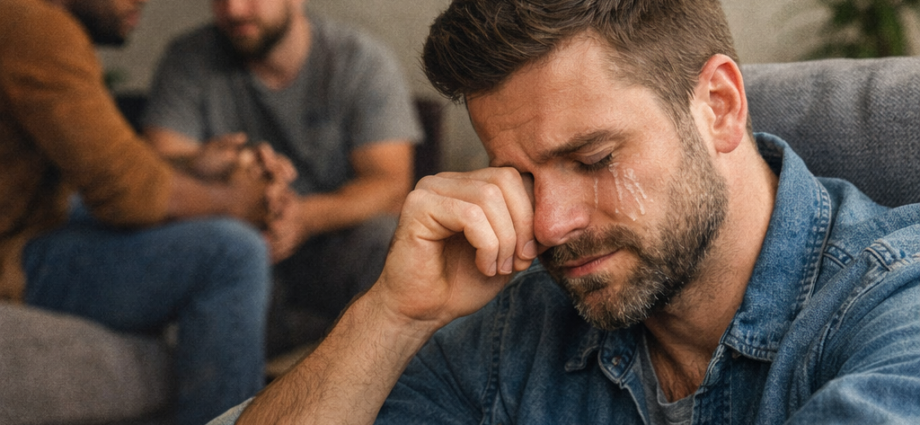
For generations, society has sent a clear message to boys and men: be tough, stay strong, don’t cry. While resilience is valuable, emotional suppression has quietly shaped the conversation around mental health and men in damaging ways. Today, awareness is growing, yet many men still struggle in silence—fearing judgment, rejection, or being labelled as weak.
The truth is simple and powerful: vulnerability is not weakness. Sensitivity is not failure. Tears are not shameful. Supporting mental health and men begins with redefining what strength truly means.
Blog Contents
ToggleThe Cultural Pressure on Men to “Stay Strong”
From childhood, many boys are told to “man up” or “shake it off.” Emotional expression is often discouraged, while stoicism is praised. Over time, this conditioning teaches men to disconnect from their feelings.
This pressure creates several long-term consequences:
- Difficulty identifying emotions
- Avoidance of discussing personal struggles
- Reluctance to seek therapy or counselling
- Increased risk of stress-related health issues
When we talk about mental health and men, we must acknowledge how deeply cultural expectations influence behaviour. Emotional silence is learned—and it can be unlearned.
Why Male Vulnerability Matters
Vulnerability allows connection. It builds trust in relationships, strengthens friendships, and fosters emotional resilience. When men feel safe expressing their emotions, they are more likely to:
- Develop healthier relationships
- Reduce anxiety and stress
- Improve communication skills
- Strengthen self-awareness
Addressing mental health and men means recognising that emotional openness leads to better outcomes—not only psychologically, but socially and physically.
Men who express vulnerability are not losing control. They are gaining clarity and emotional intelligence.
The Cost of Emotional Suppression
Suppressing emotions does not make them disappear. It often causes them to resurface in other ways—anger, irritability, withdrawal, substance misuse, or physical symptoms like headaches and fatigue.
Research consistently shows that men are less likely than women to seek professional mental health support. Yet men face high rates of depression, anxiety, and suicide worldwide. This gap between need and action highlights why conversations around mental health and men are urgent.
When men feel they must hide sadness or fear, isolation deepens. Silence becomes a burden. And isolation is one of the greatest risk factors for declining mental health.
It’s Okay for Men to Cry
Crying is a natural human response. It releases stress hormones, signals emotional processing, and can even provide physical relief. Yet many men feel embarrassment or guilt when they cry.
We must normalise tears as a healthy release. Crying:
- Reduces emotional tension
- Signals vulnerability in relationships
- Encourages empathy from others
- Promotes emotional balance
Discussing mental health and men openly includes dismantling the myth that crying is unmanly. Emotional expression is biological, not gendered.
Tears are not weakness—they are evidence of feeling deeply.
Sensitivity Is Emotional Strength
Sensitivity allows men to notice subtle emotional cues, respond compassionately, and build deeper connections. Far from being a flaw, sensitivity enhances leadership, parenting, and partnership.
Sensitive men often:
- Listen more attentively
- Show greater empathy
- Reflect more deeply
- Navigate conflict with thoughtfulness
When conversations about mental health and men highlight sensitivity as a strength, we shift the narrative. Emotional awareness supports resilience. It doesn’t diminish it.
Breaking the Silence Around Depression and Anxiety
Depression in men does not always look like sadness. It can appear as irritability, anger, risk-taking, or emotional numbness. Anxiety may show up as restlessness, overworking, or avoidance.
Because symptoms can differ, many cases go unrecognised. Encouraging honest conversations about mental health and men helps men identify what they’re feeling without shame.
Signs men should not ignore include:
- Persistent low mood
- Loss of interest in activities
- Changes in sleep or appetite
- Feelings of hopelessness
- Thoughts of self-harm
Seeking help is not surrender—it is an act of responsibility toward oneself and loved ones.
The Role of Relationships in Male Emotional Health
Support systems are critical. Friends, partners, family members, and colleagues all influence how comfortable men feel discussing their emotions.
Healthy relationships create space for:
- Honest conversations
- Shared vulnerability
- Emotional validation
- Mutual support
When society encourages men to open up, it must also ensure listeners respond with respect—not ridicule. Supporting mental health and men requires collective cultural change.
If a man shares his struggles, the response should be compassion, not dismissal.
Therapy and Professional Support: A Sign of Strength
Many men hesitate to pursue therapy because they fear judgment or believe they should solve problems alone. However, therapy offers structured tools for managing stress, trauma, and emotional pain.
Professional support can help men:
- Develop coping strategies
- Improve communication
- Heal from past trauma
- Build emotional awareness
Promoting therapy as normal and proactive is essential in improving mental health and men. Just as physical injuries require medical care, emotional wounds deserve attention too.
Redefining Masculinity
Modern masculinity can include courage, responsibility, and strength—alongside compassion, sensitivity, and openness.
A healthier definition of masculinity allows men to:
- Express fear without shame
- Admit when they need help
- Cry when overwhelmed
- Share emotional burdens
Reframing masculinity transforms the conversation about mental health and men. Strength is not the absence of emotion. True strength is the ability to face emotions honestly.
Encouraging Boys to Express Emotion Early
Change begins in childhood. Teaching boys emotional literacy—naming feelings, discussing challenges, expressing sadness—creates healthier adult men.
Parents, educators, and mentors can:
- Validate boys’ emotions
- Avoid shaming emotional expression
- Model healthy vulnerability
- Encourage open conversations
Supporting emotional development early lays the groundwork for improved mental health and men in future generations.
Practical Steps Men Can Take Today
Improving emotional well-being does not require dramatic change. Small, consistent steps matter:
- Check in with yourself daily.
- Share one honest feeling with someone you trust.
- Journal thoughts without filtering them.
- Seek professional support if emotions feel overwhelming.
- Allow yourself to cry without self-judgment.
These actions strengthen emotional resilience and contribute to better mental health and men outcomes overall.
A Cultural Shift Toward Compassion
Conversations around mental health and men are evolving. Public figures, athletes, and leaders are increasingly speaking about their emotional struggles. This visibility matters. It shows younger generations that vulnerability and masculinity can coexist.
However, cultural change requires ongoing commitment. We must challenge outdated stereotypes and encourage environments where men feel safe expressing their full emotional range.
Conclusion: Strength Through Vulnerability
Mental well-being is not a gendered issue—it is a human one. Supporting mental health and men means recognizing that men deserve emotional freedom. They deserve to feel sadness without shame, to seek help without judgment, and to cry without apology.
Vulnerability does not diminish masculinity. It deepens it.
Sensitivity does not weaken men. It strengthens their relationships and self-understanding.
And tears are not signs of failure—they are signs of humanity.
When men are given permission to be fully human—strong and sensitive, resilient and emotional—everyone benefits.